

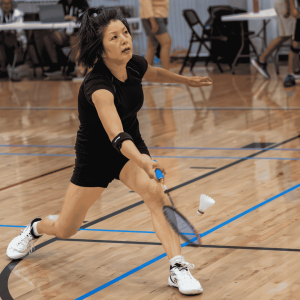
Better Balance: A Workout for Your Body — and Your Brain
By Andrew Walker, MPH; NSGA Director of Health & Well-Being When was the last time you specifically trained your balance? If you’re like many of us, the answer may be, “I don’t really know.” We exercise to build strength, improve endurance, stay flexible and keep moving — but balance is often left off the workout
- Published in Health & Well-Being
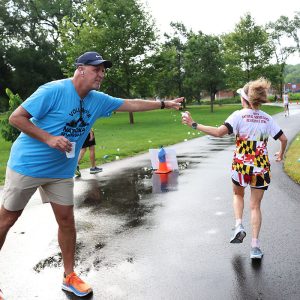
Stay Safe in the Heat: Preventing & Recognizing Heat-Related Illnesses
By Andrew Walker, MPH; NSGA Director of Health & Well-Being Recently, many of us have experienced the effects of extreme heat. Average temperatures across the United States have been rising, and heat waves are becoming more frequent and lasting longer. These environmental changes affect everyone’s quality of life and can significantly impact the health and
- Published in Health & Well-Being
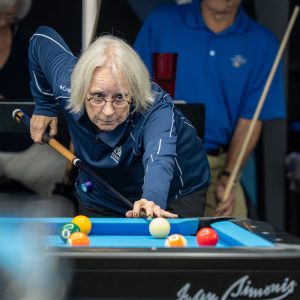
The Recipe for Protecting Brain Health
By Andrew Walker, MPH; NSGA Director of Health & Well-Being Society tells us that cognitive decline is a given as we age. Science is showing otherwise. Like all older adults, Senior Games athletes want to remain independent as long as possible. Taking care of your mental well-being and brain health will help you do that,
- Published in Health & Well-Being
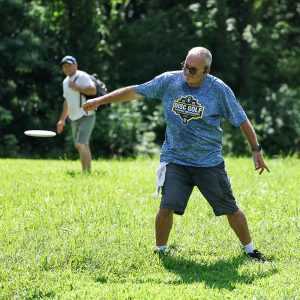
Men’s Self-Care: A Key to Longevity and Active Aging
By Andrew Walker, MPH; NSGA Director of Health & Well-Being People are living longer than ever before, yet men continue to have shorter lifespans than women. On average, women live five years longer than men. Men have higher death rates from heart disease, certain cancers and suicide. Multiple factors contribute to differences in life expectancy.
- Published in Health & Well-Being
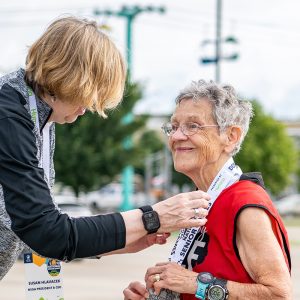
Ways to Advocate for Your Health
By Andrew Walker, MPH; NSGA Director of Health & Well-Being May is Older Americans Month, and this year’s theme, “Champion Your Health,” is a reminder to take charge of your health. Older adults are living longer than ever; however, the number of healthy years lived has not kept pace. Actively “championing” your health by advocating
- Published in Health & Well-Being
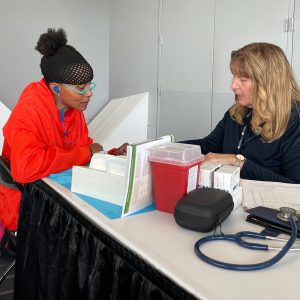
Invest in Preventive Health to Stay in the Game
By Andrew Walker, MPH; NSGA Director of Health & Well-Being As a Senior Games athlete, you are already getting health benefits from participating in sports. Staying active goes a long way toward lowering your risk for chronic disease and keeping you feeling strong. But even the most dedicated athletes aren’t immune to injuries, illness, or
- Published in Health & Well-Being

Active Recovery: Speed Up Healing with Tai Chi and Qigong
By Andrew Walker, MPH; NSGA Director of Health & Well-Being You train hard to be the best you can be in your sport. But do you spend enough time on your workout recovery? Athletic fitness is built through the process of exercise overload, where we gradually increase the duration, amount and frequency of exercise. A
- Published in Health & Well-Being

Protect Yourself from Health and Fitness Misinformation and Fraud
By Andrew Walker, MPH; NSGA Director of Health & Well-Being Health fraud, false fitness claims and scams cost older adults billions in financial losses and unnecessary distress. A scam recently affected a member of the National Senior Games Association, the National Veterans Golden Age Games, whose event is free. A consumer alert from the Federal
- Published in Health & Well-Being
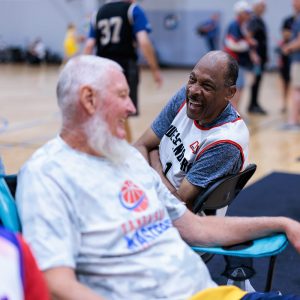
Use the Wellness Compass to Achieve Your Senior Games Personal Best
By Andrew Walker, MPH; NSGA Director of Health & Well-Being Last month’s health and well-being blog focused on adopting a whole-person mindset that positively impacts athletic performance. The Wellness Compass tool was shared as an easy-to-use method for assessing overall well-being. Now, let’s take a deeper dive into the benefits of completing this resource and
- Published in Health & Well-Being
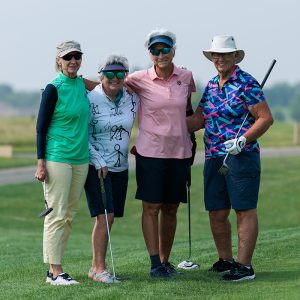
Beyond Fitness: This Mindset Helps Athletes Thrive
By Andrew Walker, MPH; NSGA Director of Health & Well-Being Senior Games athletes have impressive levels of physical fitness, particularly in aerobic fitness and balance. Research from the Sustained Athlete Fitness Exam (SAFE) shows that Senior Games participants far exceed recommended levels of regular physical activity. Compared to the general population of older adults, they
- Published in Health & Well-Being