

Why Standard Medicine Fails Senior Athletes:
The Story Behind SAFE
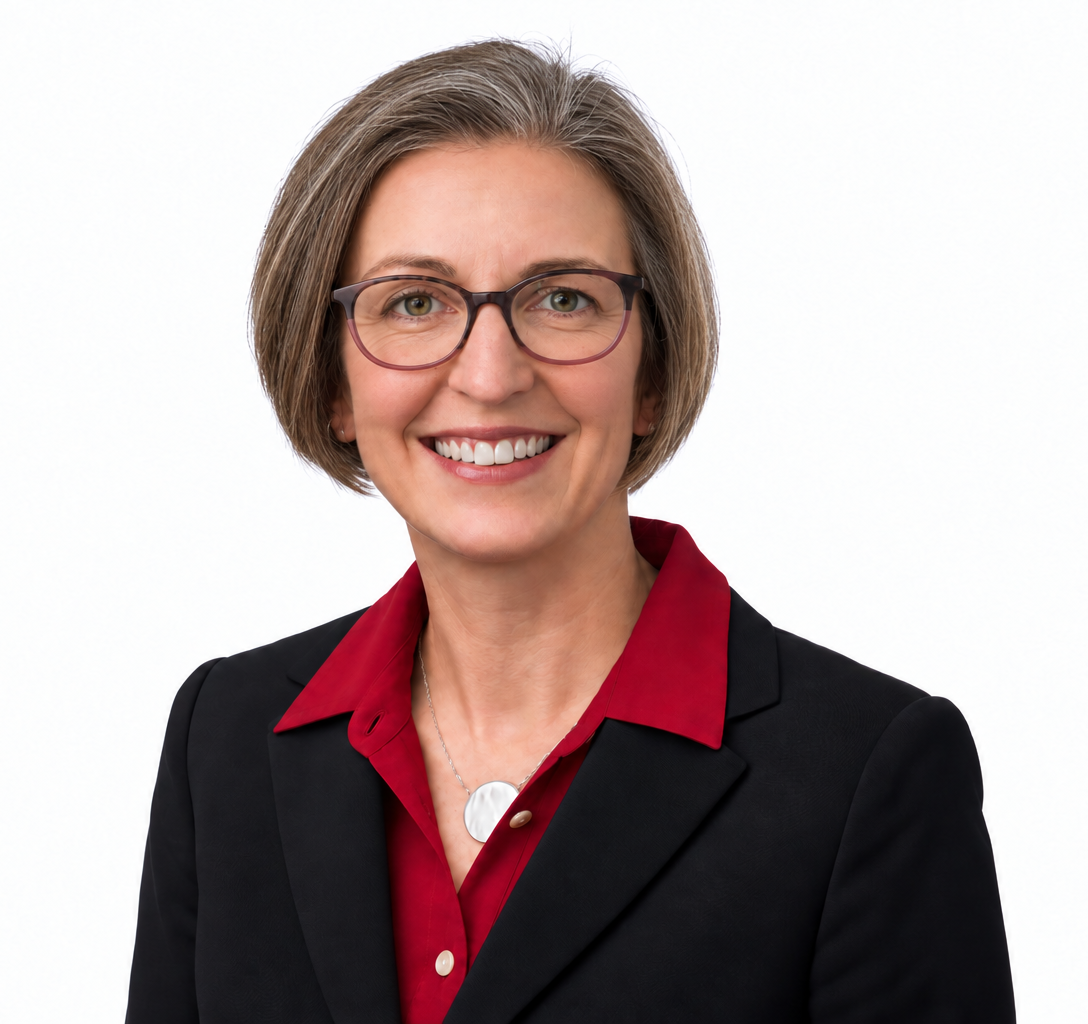
By Dr. Becca Jordre, PT, DPT, PhD
When a 25-year-old athlete goes to the doctor with knee pain, the clinical objective is straightforward: diagnose the tissue damage, address the impairment and get them back to peak performance.
When a 65-year-old athlete presents with knee pain, the response is often fundamentally different: "That’s to be expected at your age.” Or “Maybe it's time to take it easy."
This isn't just an isolated frustration, it is a challenge faced by many older athletes. While this type of medical ageism is often unintentional, it exposes the systemic bias that limits health and activity for older adults and older athletes. Dismissing pain or mobility loss as 'normal aging' neglects the unique medical needs of older athletes, who not only demand high athletic performance from their bodies, but also maintain higher functional levels in their daily lives.
The Cost of Medical Ageism
Data published in the Journal of Applied Gerontology reveals that roughly 22.5% of older adults actively avoid medical care. While fear of procedures accounts for some reluctance, the primary drivers are lower provider trust, rushed encounters and feeling systematically dismissed.
This avoidance is a rational response to a widespread trend. A landmark global meta-analysis led by the Yale School of Public Health, evaluating 422 studies and 7 million participants across 45 countries, found that in 85% of relevant studies, ageism directly dictated whether older adults were denied access to necessary medical treatments.
Older adults aren't avoiding care out of ignorance; they are avoiding a system where they feel written off.
Confronting My Own Bias
As a physical therapist, I would like to say I was immune to this. I wasn't.
On a summer morning in 2010, I set up a table outside the softball venue at the South Dakota Senior Games, eager to launch a new fitness evaluation for senior athletes and show them how physical therapists could support them. Behind me hung a banner: The Elderly Fitness Exam. My plan was to detect cardiovascular disease, determine fall risk and help this aging group identify undetected issues.
All morning I watched vibrant, fit, eager athletes, all over the age of 50, hustle past me to get to their events. A few looked my way, disinterested. No one stopped for the exam.
It was humbling. I had completely missed the mark. This crew was healthy, athletic and could have been interested in the consult of a physical therapist, but they didn’t need something for the “elderly”. Like many before me, I had allowed ageist assumptions to limit how I viewed these athletes.
Setting the Bar Higher Than "Not Falling Over"
Healthcare has historically been obsessed with one metric for older adults: the floor. We screen for fall risks, monitor for frailty and anticipate decline.
While identifying disease is vital, setting the bar so low limits potential. Falls are a symptom, not a disease. While healthcare should emphasize fall prevention, most older athletes are not at risk of falling.
So why should healthcare pay attention to this high-performing group? Beyond proving that a gradual decline is not inevitable, this group has high mobility expectations that require higher levels of fitness to maintain.
What should training look like when your goal is pole-vaulting at 70 years old? What endurance measures indicate optimal preparedness for older triathletes? Is there a limit to how tight calves can get in an 80-year-old sprinter?
Shattering Stereotypes at the Senior Games
After that morning in 2010, I went back to the drawing board. We didn't need another test to screen for decline, we needed a tool to capture and cultivate high-level athletic fitness specific to those age 50 and older. And such a test just didn’t exist.
It didn’t happen overnight but through years of continued screening and analysis I created what is now called the Sustained Athlete Fitness Exam (SAFE) specifically for athletes 50+. The SAFE transforms the conversation from "how to avoid a fall" to "how to hit a personal record."
The SAFE has now engaged thousands of athletes and trained hundreds of volunteers in the clinical world of physical therapy to conduct these screens. When we ask for their opinion now, we’ve found:
From senior athletes:
- 100% report that the SAFE is valuable to them.
- 95% say they learned something new about their physical capacity as a result of the SAFE.
From clinicians testing athletes:
- 99% say the experience improved their perception of aging.
- 95% realize older adults are capable of far more than traditional healthcare models teach.
Changing the Default in Medicine
Aging does change the body. Our bones lose density, tissues tighten, maintaining strength is more difficult, recovery takes longer and starting a new sport requires real preparation. But none of this should sideline you from the sport you love. We often hear warnings that trending sports like pickleball are "dangerous" for older adults.
Here is what the SAFE has taught me. Pickleball isn't the danger. But, should we jump up off the couch and enter a tournament after years of inactivity? No. Anyone, young or old, needs to train and prepare before launching into competition. Focused training, not fear, is the key to avoiding injury. Once you’re moving and taking care of your fitness you’ll be ready to push your limits.
What if we flipped the narrative? We’ve always been warned to see our doctor if we plan to engage in exercise. Maybe, we should also get permission if we plan not to.